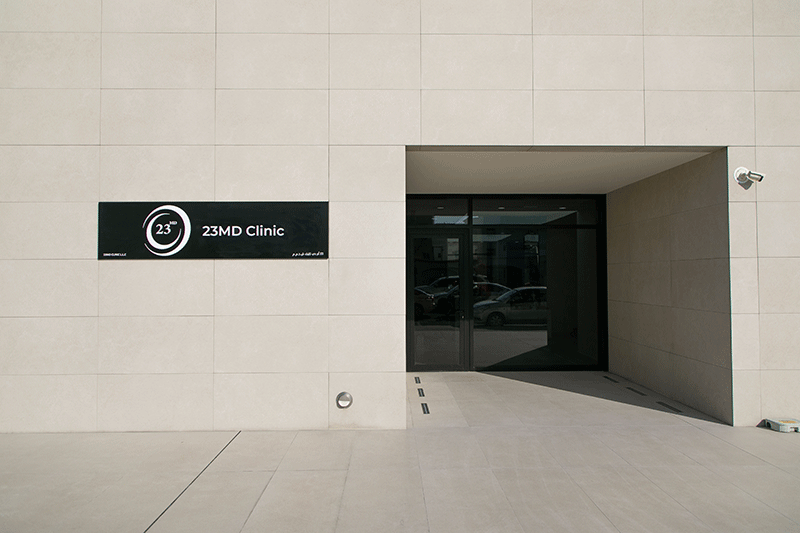

At 23MD Clinics in London and Dubai, a critical component of our healthcare services includes addressing concerns around hormone replacement therapy (HRT) and breast cancer risk. This blog explores the distinct impacts of progesterone and progestins used in HRT and their possible links to Breast Cancer risk. I will highlight how each influences breast cancer risk, particularly focusing on the options and advice we provide at 23MD.
Progesterone vs Progestins at 23MD : Understanding the Different Breast Cancer Risks
Progesterone is a naturally occurring hormone, essential for various bodily functions. It is used in our clinics as part of bioidentical hormone replacement therapies. In contrast, progestins are synthetic forms of progesterone used in many conventional HRT formulations. The choice between these hormones at 23MD Clinics is influenced by their differing effects on breast cancer risk.
- Natural Progesterone’s Role at 23MD
- Research indicates that natural progesterone used in HRT does not increase the risk of breast cancer and might even offer a protective effect when combined with estrogen. READ MORE HERE
- The Risks Associated with Progestins
- Conversely, progestins have been associated with a slight increase in the risk of developing breast cancer, especially with long-term use. In fact, this risk doubles every 5 years. At 23MD, we take these findings seriously, offering alternative treatments that prioritise patient safety and health outcomes. READ MORE HERE
Tailored HRT Solutions at 23MD London and Dubai
In response to these findings, 23MD Clinics in London and Dubai offer personalised HRT plans that consider individual health profiles and risks. Whether choosing progesterone or progestins, our approach ensures that all patients receive the most appropriate and safe treatment options, minimising potential health risks while addressing the symptoms of menopause effectively.
Conclusion: Making Informed Decisions at 23MD
At 23MD Clinics, we empower our patients with comprehensive information to make informed decisions about their HRT options. Understanding the differences between progesterone and progestins is crucial, particularly their associated breast cancer risks. Our goal is to provide not just treatment but also education that helps our patients lead healthier lives.